15 Beautiful Places To Go Camping In Europe
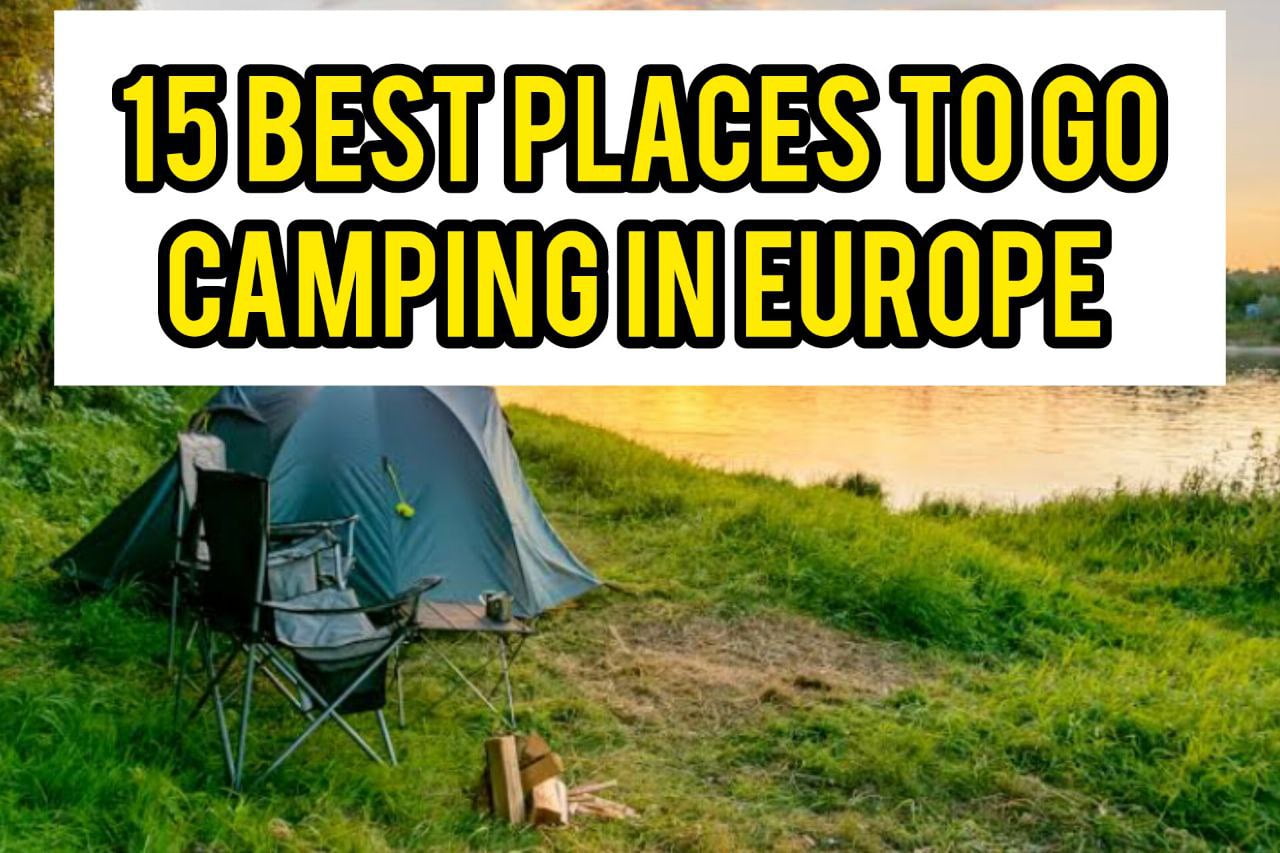
Camping in Europe offers a unique blend of stunning natural beauty, diverse landscapes, and rich cultural experiences. Whether you’re looking to pitch your tent by a serene lake, on a rugged mountainside, or next to the azure sea, Europe has it all. Below are 15 of the most beautiful places to go camping in Europe, each offering a unique experience for the adventurous traveler.
Contents
- 1 15 Beautiful Places To Go Camping In Europe
- 1.1 1. Lake Bled, Slovenia
- 1.2 2. Loch Lomond, Scotland
- 1.3 3. Black Forest, Germany
- 1.4 4. Dolomites, Italy
- 1.5 5. Plitvice Lakes National Park, Croatia
- 1.6 6. Isle of Skye, Scotland
- 1.7 7. Lofoten Islands, Norway
- 1.8 8. Provence, France
- 1.9 9. Lake District, England
- 1.10 10. Triglav National Park, Slovenia
- 1.11 11. Pyrenees, France/Spain
- 1.12 12. Lake Geneva, Switzerland/France
- 1.13 13. Nationalpark Hohe Tauern, Austria
- 1.14 14. Alentejo, Portugal
- 1.15 15. Julian Alps, Slovenia
- 2 Conclusion
- 3 FAQs
15 Beautiful Places To Go Camping In Europe
1. Lake Bled, Slovenia
Why It’s Special: Lake Bled is often referred to as Slovenia’s crown jewel, and for good reason. This glacial lake, surrounded by the Julian Alps, is an idyllic camping destination. The island in the middle of the lake, home to the Church of the Assumption, is a focal point of beauty and legend. Campers can enjoy a blend of natural and cultural experiences, from rowing to the island to ringing the church bell for good luck.
Camping Tips: There are several well-equipped campsites around Lake Bled, such as Camping Bled, which offers lakeside pitches. If you’re into glamping, this campsite also offers luxury tents with breathtaking views of the lake. For those seeking adventure, you can hike up to Ojstrica for panoramic views of the lake, castle, and surrounding mountains. The nearby Vintgar Gorge is also a must-visit, with its wooden walkways suspended over the rushing Radovna River.
Local Culture: Lake Bled is not just about nature; it’s also a gateway to Slovenian culture. Try the famous Bled cream cake, a local delicacy, at one of the lakeside cafes. Slovenia’s warm and welcoming people, along with its rich folklore, add a unique charm to your camping experience.
2. Loch Lomond, Scotland
Why It’s Special: Loch Lomond is the heart of the Loch Lomond and The Trossachs National Park, a region celebrated for its stunning natural beauty. The loch is dotted with small islands, each with its own unique history and legend. The surrounding hills and forests provide a scenic backdrop that changes with the seasons, making it a year-round camping destination.
Camping Tips: The national park offers several campsites, such as Cashel Campsite, which provides stunning views over the loch. Wild camping is also permitted in certain areas, but remember to adhere to the Scottish Outdoor Access Code. Activities abound, from hiking the famous West Highland Way to kayaking on the loch. If you’re up for a challenge, you can climb Ben Lomond, the most southerly of Scotland’s Munros, for spectacular views.
Local Culture: Loch Lomond is steeped in Scottish history and folklore. You might hear tales of Rob Roy MacGregor, the Scottish outlaw, as you explore the region. The local villages, such as Luss and Balmaha, offer a glimpse into traditional Scottish life, with opportunities to sample haggis, sip on whisky, and enjoy a ceilidh (traditional Scottish dance).
3. Black Forest, Germany
Why It’s Special: The Black Forest (Schwarzwald) is synonymous with fairy tales, thanks to its dense woods, deep valleys, and quaint villages. This region inspired the Brothers Grimm, and it’s easy to see why as you wander through its mystical landscapes. The Black Forest is also famous for its cuckoo clocks, thermal spas, and the delicious Black Forest cake.
Camping Tips: Camping options range from traditional sites like Campingplatz Münstertal to more remote spots where you can wild camp. The area is a haven for hikers and cyclists, with trails like the Westweg offering some of the best long-distance walking in Germany. Don’t miss a ride on the Black Forest Railway, which winds its way through tunnels and over viaducts, offering breathtaking views of the region.
Local Culture: The Black Forest is rich in traditions, from the making of cuckoo clocks to the wearing of the Bollenhut, a traditional hat adorned with red woolen balls. The region’s thermal spas, like those in Baden-Baden, offer a perfect way to relax after a day of exploring. You can also indulge in local delicacies such as Black Forest ham and cherry schnapps.
4. Dolomites, Italy
Why It’s Special: The Dolomites are a UNESCO World Heritage site, known for their distinctive pale peaks, deep valleys, and verdant meadows. The region’s dramatic landscapes are not just beautiful but also geologically fascinating, with the mountains composed of ancient coral reefs that have been thrust upwards over millennia.
Camping Tips: There are numerous campsites in the Dolomites, such as Camping Seiser Alm, which offers pitches with incredible mountain views. The area is a paradise for outdoor enthusiasts, with activities ranging from hiking and climbing to skiing in the winter months. Don’t miss the chance to hike the Alta Via trails, which offer some of the most spectacular scenery in the Alps.
Local Culture: The Dolomites are part of the South Tyrol region, which has a unique blend of Italian and Austrian cultures. The local Ladin culture is also fascinating, with its own language and traditions. The cuisine here is hearty, with dishes like canederli (dumplings) and speck (smoked ham) reflecting the area’s alpine heritage.
5. Plitvice Lakes National Park, Croatia
Why It’s Special: Plitvice Lakes National Park is one of Croatia’s most visited natural attractions, known for its cascading lakes and waterfalls. The park’s 16 terraced lakes are connected by a series of waterfalls, creating a mesmerizing aquatic landscape that changes color depending on the mineral content of the water and the angle of sunlight.
Camping Tips: There are campsites close to the park, such as Camp Korana, which provides a comfortable base from which to explore the lakes. The park is crisscrossed by wooden footbridges and hiking trails that allow you to explore the waterfalls up close. Be sure to arrive early in the morning to avoid the crowds and enjoy the tranquility of the park.
Local Culture: Plitvice is not just about natural beauty; it’s also a place where you can experience Croatian culture. The nearby village of Rastoke is known for its historic watermills, and you can sample traditional Croatian dishes like roasted lamb and strudel at local taverns.
6. Isle of Skye, Scotland
Why It’s Special: The Isle of Skye is one of Scotland’s most iconic destinations, known for its rugged beauty and mystical atmosphere. The island’s landscape is characterized by jagged peaks, deep lochs, and windswept moors, making it a dream destination for photographers and nature lovers alike.
Camping Tips: There are several campsites on Skye, such as Glenbrittle Campsite, which offers spectacular views of the Cuillin Hills. Wild camping is also possible in more remote areas, providing a true sense of wilderness. Skye is a hiker’s paradise, with trails leading to the Old Man of Storr, the Quiraing, and the Fairy Pools. The island’s weather can be unpredictable, so come prepared for all conditions.
Local Culture: Skye has a rich cultural heritage, with strong ties to Gaelic traditions. You can visit Dunvegan Castle, the ancestral home of the Clan MacLeod, or explore the island’s many crofting villages. The island’s music scene is also vibrant, with opportunities to hear traditional Scottish folk music in local pubs.
7. Lofoten Islands, Norway
Why It’s Special: The Lofoten Islands are a remote archipelago above the Arctic Circle, known for their dramatic landscapes of fjords, mountains, and pristine beaches. The islands are a paradise for nature lovers, offering the chance to see the midnight sun in summer and the Northern Lights in winter.
Camping Tips: Camping on the Lofoten Islands is an incredible experience, with campsites like Moskenes Camping offering stunning views of the surrounding peaks and fjords. The islands are perfect for hiking, kayaking, and fishing. If you’re visiting in winter, you can also try your hand at skiing or dog sledding. The weather can be harsh, so pack warm clothing and be prepared for sudden changes in conditions.
Local Culture: The Lofoten Islands have a rich fishing heritage, and you can learn about the region’s history at the Lofotr Viking Museum. The islands’ fishing villages, such as Reine and Henningsvær, are picturesque, with colorful houses and drying racks for cod. The local cuisine is centered around seafood, with dishes like stockfish (dried cod) being a local specialty.
8. Provence, France
Why It’s Special: Provence is synonymous with lavender fields, vineyards, and sun-drenched landscapes. The region’s natural beauty, combined with its rich cultural heritage, makes it an ideal destination for campers looking to relax and explore.
Camping Tips: Provence offers a wide range of campsites, from those set among the lavender fields to those close to historic towns like Avignon and Aix-en-Provence. The region is perfect for cycling and walking, with trails winding through vineyards, olive groves, and hilltop villages. Be sure to visit the Gorges du Verdon, often referred to as the “Grand Canyon of Europe,” for spectacular scenery and opportunities for kayaking and rock climbing.
Local Culture: Provence is famous for its food and wine, and no camping trip would be complete without sampling local specialties like ratatouille, bouillabaisse, and rosé wine. The region’s markets are a feast for the senses, with stalls selling everything from fresh produce to lavender-scented soaps.
9. Lake District, England
Why It’s Special: The Lake District is England’s largest national park, known for its stunning lakes, rolling hills, and picturesque villages. It has inspired generations of poets and artists, and its beauty is timeless.
Camping Tips: The Lake District has a wide variety of campsites, from those set by the lakeside to more remote spots in the hills. Popular campsitesThe Lake District, England
Why It’s Special: The Lake District is England’s largest national park, known for its stunning lakes, rolling hills, and picturesque villages. It has inspired generations of poets and artists, and its beauty is timeless.
Camping Tips: The Lake District has a wide variety of campsites, from those set by the lakeside to more remote spots in the hills. Popular campsites include Great Langdale and Coniston Park Coppice. Hiking is the main attraction here, with trails that cater to all levels of ability. You can take a gentle walk around Derwentwater or tackle the challenging ascent of Scafell Pike, England’s highest peak.
Local Culture: The Lake District has a rich literary heritage, with ties to poets like William Wordsworth and Samuel Taylor Coleridge. You can visit Wordsworth’s former home, Dove Cottage, in Grasmere, or explore the homes of other famous residents like Beatrix Potter. The local food scene is also vibrant, with traditional Cumbrian dishes like Herdwick lamb and sticky toffee pudding.
10. Triglav National Park, Slovenia
Why It’s Special: Triglav National Park is Slovenia’s only national park, and it’s named after the country’s highest peak, Mount Triglav. The park is a haven for outdoor enthusiasts, with its dramatic alpine scenery, glacial lakes, and deep valleys.
Camping Tips: Camping in Triglav National Park offers a chance to experience the pristine natural beauty of the Julian Alps. Popular campsites include Camp Zlatorog Bohinj, which is set on the shores of Lake Bohinj. The park is perfect for hiking, with trails leading to stunning viewpoints, waterfalls, and mountain huts. You can also try your hand at activities like climbing, fishing, and paragliding.
Local Culture: Triglav National Park is rich in Slovenian folklore and tradition. The park is named after Triglav, a three-headed deity from Slavic mythology, and the mountain has long been a symbol of the country’s national identity. Local villages in the area, like Bled and Kranjska Gora, offer a glimpse into traditional alpine life, with wooden houses, hayracks, and delicious local cuisine.
11. Pyrenees, France/Spain
Why It’s Special: The Pyrenees form a natural border between France and Spain, and they offer some of the most breathtaking scenery in Europe. The region is known for its dramatic peaks, deep valleys, and crystal-clear mountain streams.
Camping Tips: There are plenty of campsites to choose from in the Pyrenees, whether you’re on the French or Spanish side of the border. Sites like Camping Valle de Tena in Spain and Camping du Rioumajou in France provide excellent bases for exploring the mountains. The area is perfect for hiking, with trails that range from gentle walks to challenging treks like the GR10 and GR11, which traverse the length of the Pyrenees.
Local Culture: The Pyrenees are rich in culture, with influences from both France and Spain, as well as the unique Basque and Catalan cultures. You can visit historic villages, explore ancient churches and castles, and sample local delicacies like garbure (a hearty soup) in France and pintxos (Basque tapas) in Spain.
12. Lake Geneva, Switzerland/France
Why It’s Special: Lake Geneva (Lac Léman) is one of Europe’s largest lakes, and it’s surrounded by some of the most beautiful scenery in Switzerland and France. The lake is framed by the Alps and the Jura Mountains, and its shores are dotted with charming towns and villages.
Camping Tips: Camping on Lake Geneva offers a perfect mix of nature and culture. Campsites like Camping de Vidy in Switzerland and Camping La Pinède in France provide lakeside pitches with stunning views. You can enjoy activities like swimming, sailing, and windsurfing on the lake, or explore the surrounding mountains on foot or by bike.
Local Culture: The Lake Geneva region is rich in culture and history. You can visit the famous Château de Chillon, a medieval fortress on the lake’s shores, or explore the cosmopolitan city of Geneva. The region is also known for its vineyards, particularly in the Lavaux area, which is a UNESCO World Heritage site.
13. Nationalpark Hohe Tauern, Austria
Why It’s Special: The Hohe Tauern National Park is the largest nature reserve in the Alps, home to Austria’s highest peak, the Grossglockner, as well as glaciers, waterfalls, and a rich diversity of wildlife.
Camping Tips: There are several campsites in the Hohe Tauern National Park, such as Camping Woferlgut, which offer stunning views of the surrounding mountains. The park is a paradise for hikers, with trails leading to waterfalls, glaciers, and mountain huts. You can also take the Grossglockner High Alpine Road, one of the most scenic drives in Europe.
Local Culture: The Hohe Tauern region is steeped in alpine culture, with a long history of mountain farming and traditional crafts. You can visit local museums to learn about the region’s history, or sample traditional Austrian dishes like Kaiserschmarrn (shredded pancakes) and Wiener Schnitzel.
14. Alentejo, Portugal
Why It’s Special: Alentejo is a region in southern Portugal known for its rolling plains, cork oak forests, and golden beaches. It’s one of the most unspoiled areas in Europe, offering a sense of tranquility and remoteness.
Camping Tips: Camping in Alentejo offers a chance to experience the region’s natural beauty and slow pace of life. Campsites like Parque de Campismo Orbitur Sitava Milfontes provide easy access to the region’s beaches and nature reserves. The area is perfect for hiking, birdwatching, and exploring traditional villages.
Local Culture: Alentejo is known for its rich cultural heritage, with influences from the Moors, Romans, and Portuguese. You can explore historic towns like Évora, a UNESCO World Heritage site, or visit local vineyards to sample the region’s wines. The local cuisine is hearty and flavorful, with dishes like açorda (bread soup) and migas (fried breadcrumbs) being regional specialties.
15. Julian Alps, Slovenia
Why It’s Special: The Julian Alps are a stunning mountain range that forms part of the Alps, known for their dramatic peaks, deep valleys, and crystal-clear lakes. The region is a haven for outdoor enthusiasts, with a wide range of activities on offer.
Camping Tips: The Julian Alps offer a variety of camping options, from traditional campsites like Camp Danica in Bohinj to more remote spots for wild camping. The area is perfect for hiking, with trails like the Julian Alps Trail offering some of the best views in the region. You can also try activities like climbing, cycling, and paragliding.
Local Culture: The Julian Alps are home to a unique blend of cultures, with influences from Slovenia, Italy, and Austria. You can explore traditional alpine villages, sample local dishes like žganci (buckwheat porridge) and visit historic sites like the Kobarid Museum, which tells the story of the battles fought in the region during World War I.
Conclusion
Camping in Europe offers an unparalleled opportunity to connect with nature, explore diverse landscapes, and immerse yourself in local cultures. From the dramatic peaks of the Alps to the tranquil shores of Lake Geneva, each of these 15 beautiful camping destinations provides a unique experience for every type of camper. Whether you’re seeking adventure, relaxation, or a bit of both, Europe has a camping spot that’s perfect for you.
FAQs
What is the best time of year to go camping in Europe?
The best time for camping in Europe is typically from late spring to early autumn (May to September). However, this can vary depending on the destination, with some regions offering excellent camping opportunities year-round.
Are there any wild camping options in Europe?
Yes, wild camping is allowed in certain parts of Europe, such as Scotland, Norway, and Sweden. However, it’s important to check local regulations and practice Leave No Trace principles to protect the environment.
Do I need special equipment for camping in the mountains?
If you’re camping in mountainous regions like the Alps or the Dolomites, it’s essential to bring appropriate gear, including a sturdy tent, warm clothing, and proper hiking boots. Weather conditions can change rapidly in the mountains, so be prepared for all eventualities.
Can I camp by the beach in Europe?
Absolutely! Many European countries, including France, Spain, Portugal, and Croatia, have campsites right by the beach. These spots are perfect for enjoying the sun, sea, and sand, with plenty of opportunities for water sports and relaxation.
Are pets allowed at European campsites?
Most campsites in Europe are pet-friendly, but it’s always a good idea to check the specific rules of the campsite you’re planning to visit. Some sites may have restrictions or require pets to be kept on a leash.









Post Comment