18 Best Parks to Visit in London

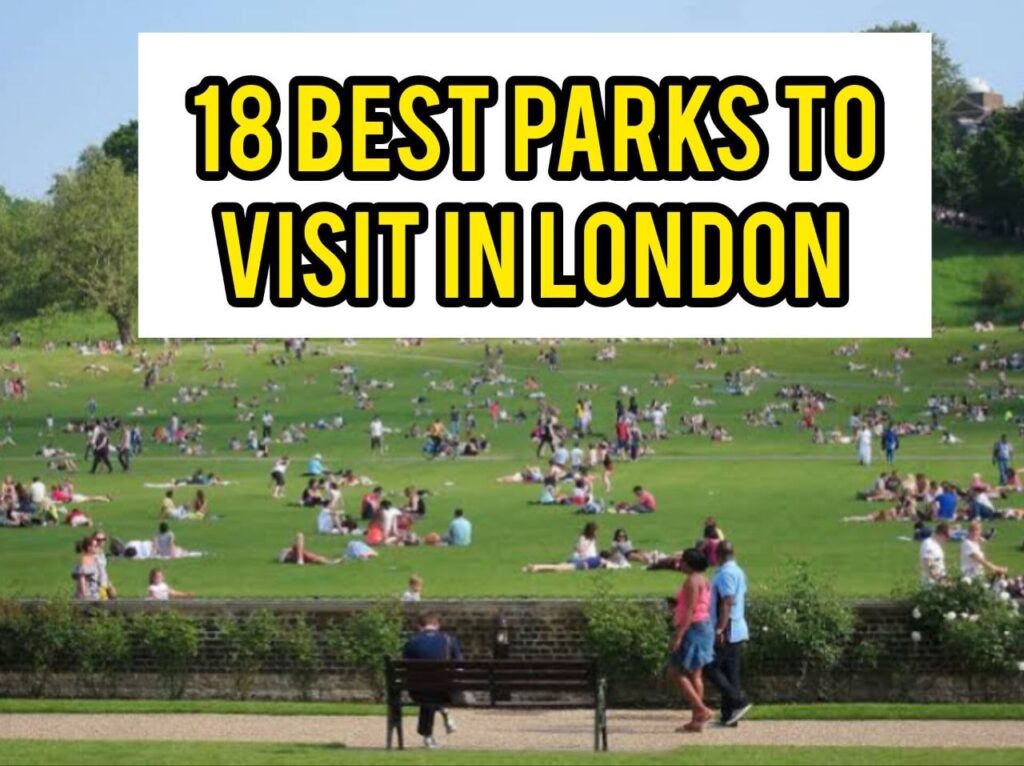
London, a great metropolis, is surprisingly rich in green spaces, providing a sanctuary of calm amidst the urban sprawl. Whether you’re a resident or a visitor, the city’s parks offer a perfect escape where you can unwind, reconnect with nature, or simply enjoy the picturesque surroundings. Here’s an extensive guide to the 18 best parks to visit in London, each with its unique charm and character.
Contents
- 1 18 Best Parks to Visit in London
- 1.1 1. Hyde Park
- 1.2 2. Regent’s Park
- 1.3 3. Richmond Park
- 1.4 4. Kensington Gardens
- 1.5 5. St. James’s Park
- 1.6 6. Green Park
- 1.7 7. Hampstead Heath
- 1.8 8. Greenwich Park
- 1.9 9. Battersea Park
- 1.10 10. Victoria Park
- 1.11 11. Holland Park
- 1.12 12. Bushy Park
- 1.13 13. Clissold Park
- 1.14 14. Brockwell Park
- 1.15 15. Dulwich Park
- 1.16 16. Crystal Palace Park
- 1.17 17. Queen Elizabeth Olympic Park
- 1.18 18. Morden Hall Park
- 2 Conclusion
- 3 FAQs
18 Best Parks to Visit in London
1. Hyde Park
Why It’s Special: Hyde Park is not just a park; it’s a living piece of London’s history. As one of the Royal Parks, it has been the backdrop for numerous historic events, from protests to celebrations. Today, it serves as a green haven amidst the city’s hustle and bustle, offering something for everyone.
What to Do: Whether you’re looking to rent a pedal boat on the Serpentine, visit the Diana, Princess of Wales Memorial Fountain, or enjoy a summer concert at the Hyde Park Bandstand, this park has it all. For the more adventurous, there’s also horse riding along the park’s bridle paths.
Fun Fact: Speaker’s Corner, located in the northeast corner of Hyde Park, has been a hub for public speeches and debates since the 19th century, with notable figures like Karl Marx and George Orwell having spoken there.
2. Regent’s Park
Why It’s Special: Regent’s Park, designed by famed architect John Nash, offers an exquisite blend of formal gardens, open parkland, and one of the best collections of roses in the UK. The park’s elegant layout and peaceful atmosphere make it a favorite for both locals and tourists.
What to Do: Visit the Queen Mary’s Gardens, home to over 12,000 roses, or take a boat ride on the lake. The park also hosts the Open Air Theatre, where you can enjoy performances in a truly unique setting. Don’t forget to explore the nearby ZSL London Zoo, which is partially located within the park.
Fun Fact: Regent’s Park is also a prime location for birdwatching, with over 100 species of wild birds spotted here throughout the year.
3. Richmond Park
Why It’s Special: Richmond Park stands out as London’s largest Royal Park and a National Nature Reserve. It’s a place where nature thrives, with ancient oak trees, wildflower meadows, and free-roaming deer that give visitors a taste of the countryside within the city.
What to Do: Take a leisurely walk or cycle through the park’s extensive trails. For those interested in history, the park is home to Pembroke Lodge, a Georgian mansion with a rich past. Golf enthusiasts can enjoy a round at the Richmond Park Golf Course, while photographers will find endless opportunities to capture the beauty of the park’s landscapes and wildlife.
Fun Fact: Richmond Park was originally created by Charles I in the 17th century as a deer park, and it remains one of the best places to see deer in their natural habitat.
4. Kensington Gardens
Why It’s Special: Adjoining Hyde Park, Kensington Gardens offers a more tranquil and refined experience. With its manicured lawns, artistic statues, and historical monuments, it’s a perfect spot for those who appreciate both art and nature.
What to Do: Visit the iconic Kensington Palace, the former home of Princess Diana, or take a walk around the Italian Gardens, a beautiful water garden with ornate fountains. The park is also home to the Serpentine Galleries, where contemporary art exhibitions are held.
Fun Fact: The Albert Memorial, located in Kensington Gardens, is one of London’s most ornate monuments, dedicated to Prince Albert, the consort of Queen Victoria.
5. St. James’s Park
Why It’s Special: As the oldest Royal Park in London, St. James’s Park offers visitors a picturesque setting right in the heart of the city. Surrounded by iconic landmarks such as Buckingham Palace, the park’s central location makes it an ideal spot for both relaxation and sightseeing.
What to Do: Watch the pelicans being fed by the lake, take a leisurely stroll along the tree-lined avenues, or enjoy a coffee at one of the park’s cafes while soaking in the views of the palace. The park is also the venue for many ceremonial events, including the Changing of the Guard.
Fun Fact: The pelicans in St. James’s Park have a long history, with the first being given as a gift by the Russian ambassador in 1664.
6. Green Park
Why It’s Special: Green Park’s understated beauty lies in its simplicity. Unlike many of London’s other Royal Parks, Green Park has no formal flower beds or lakes. Instead, it offers a serene expanse of grass and trees, perfect for a quiet escape from the city.
What to Do: Relax under the shade of one of the park’s many mature trees or take a walk along the paths that lead to Buckingham Palace. Green Park is also a popular spot for picnics, especially during the summer months.
Fun Fact: During World War II, Green Park was used for growing vegetables as part of the “Dig for Victory” campaign.
7. Hampstead Heath
Why It’s Special: Hampstead Heath offers a wilder and more rugged experience compared to London’s more manicured parks. With its rolling hills, woodlands, and natural swimming ponds, the Heath provides an escape to nature without leaving the city.
What to Do: Climb to the top of Parliament Hill for one of the best views of London’s skyline, take a dip in the famous bathing ponds, or explore the hidden corners of the Heath, where you might stumble upon a secluded glade or a peaceful pond.
Fun Fact: Hampstead Heath is home to Kenwood House, a stunning neoclassical villa that houses a magnificent art collection, including works by Rembrandt and Vermeer.
8. Greenwich Park
Why It’s Special: Greenwich Park combines stunning landscapes with rich history. As part of the Greenwich Maritime World Heritage Site, the park offers breathtaking views of the River Thames and the city beyond.
What to Do: Visit the Royal Observatory, where you can stand on the Prime Meridian Line, or explore the National Maritime Museum. The park also offers extensive walking paths, beautiful gardens, and the chance to spot deer in the park’s Wilderness area.
Fun Fact: Greenwich Park is home to the world’s oldest surviving observatory and the origin of Greenwich Mean Time (GMT).
9. Battersea Park
Why It’s Special: Battersea Park is a vibrant and diverse park located on the south bank of the River Thames. It’s known for its beautiful gardens, lakes, and sporting facilities, making it a popular spot for a wide range of activities.
What to Do: Take a boat ride on the park’s lake, visit the Battersea Park Children’s Zoo, or explore the Peace Pagoda, a symbol of peace and harmony. The park also offers extensive sports facilities, including tennis courts and a running track.
Fun Fact: Battersea Park was once a popular site for duels, with gentlemen settling their disputes in the park’s secluded areas.
10. Victoria Park
Why It’s Special: Victoria Park, affectionately known as “Vicky Park,” is one of London’s oldest public parks. It offers a mix of historical features, scenic lakes, and open spaces, making it a beloved green space in East London.
What to Do: Enjoy a walk along the park’s tree-lined avenues, visit the historic drinking fountain, or explore the V&A Building, a Gothic-style lodge that now serves as a cafe. The park is also known for hosting a variety of events, from music festivals to outdoor markets.
Fun Fact: Victoria Park was originally designed as a park for the working-class residents of East London, offering them a place to relax and enjoy nature.
11. Holland Park
Why It’s Special: Holland Park is a peaceful oasis in West London, known for its beautiful gardens, woodland areas, and the Kyoto Garden, a Japanese garden that offers tranquility and a touch of the exotic.
What to Do: Stroll through the formal gardens, visit the Orangery, or enjoy a performance at the open-air Holland Park Theatre. The park is also home to a variety of wildlife, including peacocks that roam freely through the gardens.
Fun Fact: The Kyoto Garden was a gift from the city of Kyoto to commemorate the long-standing friendship between Japan and the United Kingdom.
12. Bushy Park
Why It’s Special: Bushy Park, located near Hampton Court Palace, is known for its natural beauty, wide-open spaces, and rich history. The park’s mix of ancient woodlands, water features, and historic monuments make it a must-visit for nature lovers.
What to Do: Explore the park’s many walking and cycling trails, visit the Diana Fountain, or take a peaceful walk along the Longford River. The park is also a great spot for birdwatching, with a variety of species calling it home.
Fun Fact: Bushy Park is home to one of the oldest surviving water gardens in the UK, the Waterhouse Woodland Gardens, which date back to the 17th century.
13. Clissold Park
Why It’s Special: Clissold Park is a family-friendly park in North London, offering a variety of activities and attractions. Its blend of historical features, recreational facilities, and natural beauty make it a popular spot for local residents.
What to Do: Visit the park’s animal enclosures, which are home to goats, deer, and birds. Take a walk around the park’s two lakes or enjoy a meal at the Clissold House cafe, which offers stunning views of the park.
Fun Fact: Clissold Park was originally the private estate of a local merchant, and many of the park’s features, including Clissold House, date back to this period.
14. Brockwell Park
Why It’s Special: Brockwell Park is a beloved green space in South London, known for its community feel, stunning views of the city skyline, and historical features. The park’s diverse landscape includes rolling hills, formal gardens, and a variety of recreational facilities, making it a popular spot for locals and visitors alike.
What to Do: Take a dip in the Brockwell Lido, a Grade II listed open-air swimming pool that has been a staple of the park since 1937. Explore the walled garden, visit the charming Brockwell Hall, or let the kids enjoy the playground and paddling pool. The park is also home to various events throughout the year, including the famous Lambeth Country Show.
Fun Fact: Brockwell Park’s Victorian clock tower is one of its most iconic features, standing proudly at the top of the hill and offering visitors panoramic views of London.
15. Dulwich Park
Why It’s Special: Dulwich Park is a beautiful, tranquil space in the heart of South London, offering a mix of open fields, ornamental gardens, and a large boating lake. The park’s relaxed atmosphere and well-maintained facilities make it a favorite for families and nature lovers.
What to Do: Rent a pedal boat on the lake, explore the American Garden with its collection of North American plants, or visit the Dulwich Picture Gallery, which is just a short walk from the park. The park also features a cycle hire service, tennis courts, and a cafe, providing plenty of options for a fun day out.
Fun Fact: Dulwich Park was originally farmland before it was transformed into a public park in the late 19th century. The park’s layout still retains elements of its rural past, offering a unique blend of history and nature.
16. Crystal Palace Park
Why It’s Special: Crystal Palace Park is a historic and expansive park in South London, named after the Crystal Palace that once stood on the site. The park is famous for its Victorian dinosaur sculptures, which were among the first attempts at recreating dinosaurs based on fossil evidence.
What to Do: Explore the park’s iconic dinosaur sculptures, take a walk around the boating lake, or visit the Crystal Palace Museum to learn about the history of the area. The park is also home to the National Sports Centre, where you can enjoy a range of sporting activities, from swimming to athletics.
Fun Fact: The Crystal Palace Park maze is one of the largest in the country and dates back to the late 19th century. It’s a fun challenge for both kids and adults alike.
17. Queen Elizabeth Olympic Park
Why It’s Special: Queen Elizabeth Olympic Park is a symbol of modern London, built for the 2012 Olympic Games. The park combines world-class sporting venues with beautiful green spaces, offering a unique experience for visitors.
What to Do: Visit the ArcelorMittal Orbit, the UK’s tallest sculpture, and enjoy breathtaking views of London from the observation deck. The park also offers plenty of open space for picnics and leisure, as well as playgrounds, gardens, and waterways to explore. The London Stadium, Aquatics Centre, and Lee Valley VeloPark are all located within the park, offering opportunities for a variety of sports and activities.
Fun Fact: The ArcelorMittal Orbit also features the world’s longest tunnel slide, a thrilling ride that spirals down the structure’s 178-meter height.
18. Morden Hall Park
Why It’s Special: Morden Hall Park is a peaceful oasis in South London, managed by the National Trust. The park is known for its picturesque landscape, featuring old mills, meandering rivers, and wide-open spaces. It’s a perfect escape from the urban environment, offering a tranquil setting for relaxation and recreation.
What to Do: Explore the park’s wetland areas, take a walk along the River Wandle, or visit the historic snuff mills, which offer a glimpse into the area’s industrial past. The park is also home to a beautiful rose garden and a garden center, where you can enjoy a coffee or pick up some plants for your garden.
Fun Fact: Morden Hall Park was once part of a large deer park owned by Westminster Abbey. Today, the park’s rivers and wetlands are a haven for wildlife, including herons, kingfishers, and water voles.
Conclusion
London’s parks are as diverse as the city itself, offering everything from peaceful green spaces to vibrant hubs of activity. Whether you’re looking to relax, explore nature, or enjoy a bit of history, there’s a park in London that’s perfect for you. Each of these 18 parks has its own unique charm, making them must-visit destinations for anyone in the city. So next time you’re in London, take some time to explore these green gems—you’ll find that they offer much more than just a breath of fresh air.
FAQs
What is the best time to visit London’s parks?
The best time to visit London’s parks is during the spring and summer months, from April to September, when the weather is mild, and the flowers are in full bloom.
Are London’s parks free to visit?
Yes, most of London’s parks are free to visit, though some attractions within the parks, such as museums or special exhibitions, may charge an entry fee.
Can I picnic in London’s parks?
Absolutely! Many of London’s parks are perfect for picnics, with plenty of open spaces, beautiful views, and facilities like picnic benches and cafes.
Are there guided tours available in London’s parks?
Yes, some of London’s parks offer guided tours, especially in the larger or more historically significant parks like Hyde Park and Greenwich Park.
What wildlife can I see in London’s parks?
London’s parks are home to a variety of wildlife, including birds, deer, squirrels, and even foxes. Richmond Park, in particular, is known for its free-roaming deer, while St. James’s Park is famous for its pelicans.











Post Comment