20 Most Beautiful Places in New York City
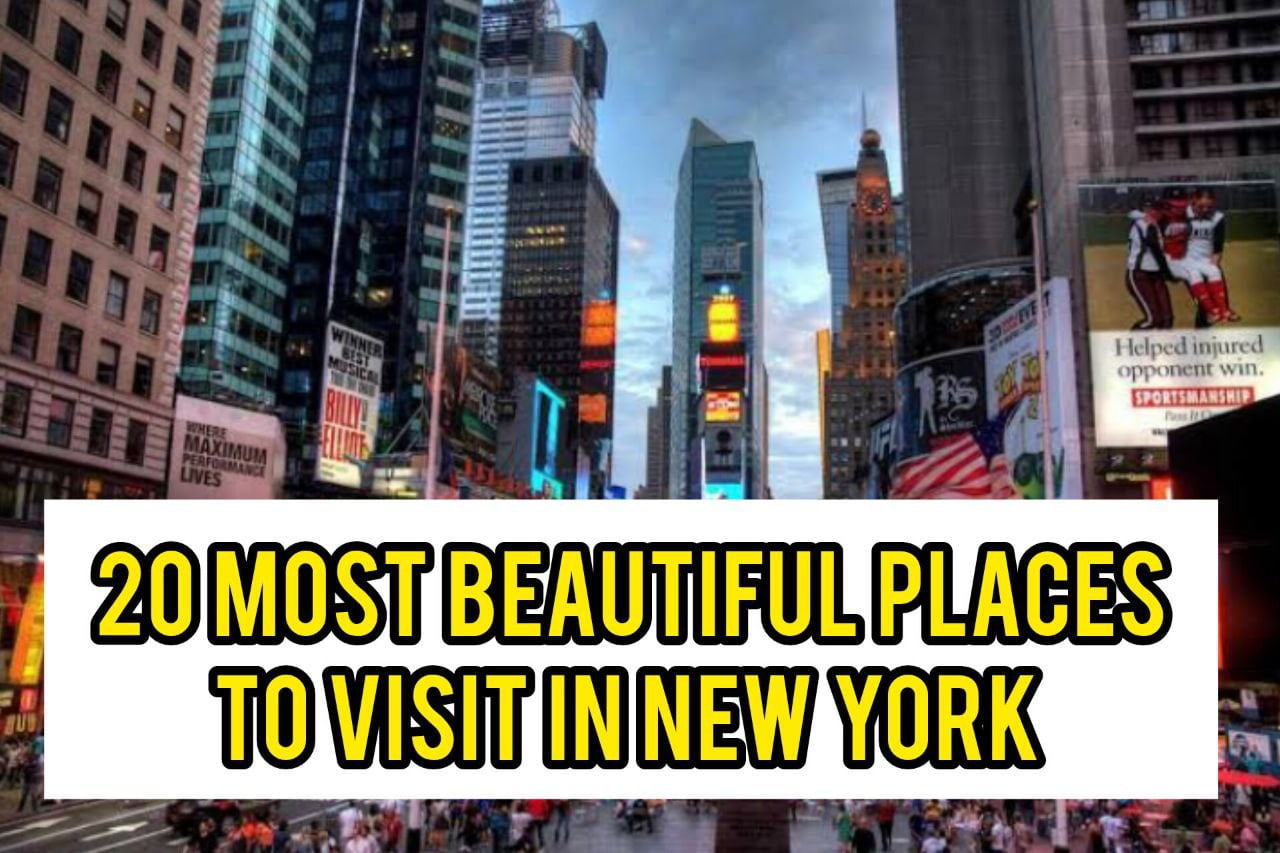
New York City is a living, breathing masterpiece of urban design, where every street and every corner holds a story waiting to be discovered. It’s a city that never sleeps, yet within its bounds, there are pockets of serene beauty, historical grandeur, and architectural brilliance. From its lush parks to its towering skyscrapers, New York City offers a stunning array of sights that are as diverse as its people. Whether you’re a seasoned traveler or a first-time visitor, the city’s unique charm is sure to leave a lasting impression. Let’s dive into the 20 most beautiful places in New York City, each one a gem in its own right.
Contents
- 1 20 Most Beautiful Places in New York City
- 1.1 1. Central Park: The Green Heart of NYC
- 1.2 2. The Brooklyn Bridge: A Walk Through History
- 1.3 3. The High Line: An Elevated Urban Park
- 1.4 4. The Empire State Building: A Sky-High Experience
- 1.5 5. Times Square: The Electric Heart of NYC
- 1.6 6. The Statue of Liberty: A Symbol of Freedom
- 1.7 7. The Metropolitan Museum of Art: A Treasure Trove of Culture
- 1.8 8. The One World Observatory: Touching the Sky
- 1.9 9. The Museum of Modern Art (MoMA): A Sanctuary of Contemporary Art
- 1.10 10. Bryant Park: A Green Jewel in the Heart of Midtown
- 1.11 11. The Flatiron Building: A Triangular Marvel
- 1.12 12. Grand Central Terminal: A Beaux-Arts Masterpiece
- 1.13 13. The Chrysler Building: An Art Deco Icon
- 1.14 14. The New York Public Library: A Temple of Knowledge
- 1.15 15. The Rockefeller Center: A Hub of Art and Culture
- 1.16 16. The Oculus: A Modern Architectural Wonder
- 1.17 17. The Cloisters: A Medieval Marvel
- 1.18 18. Washington Square Park: A Bohemian Haven
- 1.19 19. The Brooklyn Bridge: A Marvel of Engineering
- 1.20 20. The High Line: An Urban Oasis
- 2 Conclusion
- 3 FAQs
20 Most Beautiful Places in New York City
1. Central Park: The Green Heart of NYC
Spanning 843 acres in the middle of Manhattan, Central Park is a green sanctuary that offers a tranquil escape from the hustle and bustle of city life. This masterpiece of landscape architecture was designed by Frederick Law Olmsted and Calvert Vaux and has been a haven for New Yorkers and visitors alike since its completion in the late 19th century.
Why Visit? Central Park is more than just a park; it’s a natural refuge in the concrete jungle. Whether you’re looking to relax on the Great Lawn, row a boat on the lake, or take a carriage ride through the park’s winding paths, Central Park has something for everyone. The park is also home to many cultural landmarks, including the Central Park Zoo, the Delacorte Theater, and the iconic Bethesda Terrace and Fountain.
Must-See Spots:
- Bethesda Terrace and Fountain: This is the heart of Central Park, where art and nature blend beautifully. The terrace offers stunning views of the lake and the surrounding greenery, while the fountain, topped by the Angel of the Waters statue, is one of the most recognized icons of the park.
- The Ramble: If you’re in the mood for some solitude and a bit of wilderness, head to the Ramble. This 36-acre woodland area is a birdwatcher’s paradise, with over 230 species of birds recorded here. The meandering paths, dense foliage, and hidden spots make it a peaceful escape within the park.
- Conservatory Garden: For a more formal garden experience, visit the Conservatory Garden. Divided into three smaller gardens, each with its own unique style (French, Italian, and English), the Conservatory Garden is a place of beauty and calm.
Hidden Gems:
- The Shakespeare Garden: A less-visited part of Central Park, this garden is dedicated to the works of William Shakespeare and features plants mentioned in his plays. It’s a charming, poetic spot for a quiet stroll.
- Belvedere Castle: Perched on Vista Rock, this miniature castle offers panoramic views of the park and the city beyond. It’s a romantic, almost fairy-tale-like place, especially when viewed against the backdrop of the setting sun.
2. The Brooklyn Bridge: A Walk Through History
The Brooklyn Bridge is more than just a way to cross the East River; it’s an enduring symbol of New York City’s innovation and spirit. Completed in 1883, this architectural marvel was the world’s first steel-wire suspension bridge, and it has since become an iconic part of the city’s skyline.
Why Visit? Walking across the Brooklyn Bridge is a quintessential New York experience. The bridge’s pedestrian walkway, which sits above the traffic lanes, offers unparalleled views of the Manhattan skyline, the Statue of Liberty, and the Brooklyn waterfront. The bridge itself, with its Gothic-style towers and intricate cabling, is a work of art that has inspired countless artists, photographers, and filmmakers.
Best Experience: For the most spectacular views, start your walk from the Brooklyn side at sunset. As you make your way toward Manhattan, you’ll witness the city’s skyline lighting up against the darkening sky, creating a picture-perfect moment. Don’t forget to stop midway to take in the full beauty of the bridge’s architecture and the stunning views around you.
Interesting Facts:
- The bridge’s main span is 1,595.5 feet long, making it the longest suspension bridge in the world at the time of its completion.
- The bridge’s towers were built using limestone, granite, and Rosendale cement, and they stand 276 feet above the river.
Must-Do: If you’re a history buff, take one of the guided walking tours that delve into the bridge’s fascinating past, including the stories of the workers who built it and the challenges they faced. And if you’re into photography, every angle of the Brooklyn Bridge is Instagram-worthy, especially the classic shot of the Manhattan skyline framed by the bridge’s cables.
3. The High Line: An Elevated Urban Park
The High Line is a 1.45-mile-long linear park built on a historic freight rail line elevated above the streets of Manhattan’s West Side. Since its opening in 2009, the High Line has become one of New York City’s most beloved public spaces, blending art, nature, and architecture in a way that is uniquely New York.
Why Visit? The High Line offers a different perspective of the city—literally. Elevated above the streets, this park provides stunning views of the Hudson River, the surrounding neighborhoods, and the city’s ever-evolving skyline. The park is also a showcase for contemporary art, with rotating installations and performances adding to the vibrant atmosphere. The carefully curated plantings, which change with the seasons, make every visit to the High Line a new experience.
Highlights:
- The Chelsea Thicket: This densely planted area of the High Line feels like a hidden forest in the middle of the city. The thicket’s winding paths and lush greenery provide a peaceful retreat from the urban surroundings.
- The 10th Avenue Square: One of the High Line’s most popular spots, this amphitheater-style seating area offers a unique view of the street below, as well as the city beyond.
- The Spur: The newest section of the High Line, The Spur, features a massive plinth for rotating art installations and provides sweeping views of the Hudson Yards development.
Hidden Gems:
- The Rail Yards: The northernmost section of the High Line is less crowded and offers a more serene experience. This area is also home to some of the park’s most interesting art installations and landscape designs.
- The Sundeck: Located near 14th Street, this area features lounge chairs and water features, making it a perfect spot to relax on a warm day.
Insider Tips: Visit early in the morning or late in the evening to avoid the crowds and enjoy the High Line at its most peaceful. If you’re visiting in the summer, be sure to check out the park’s public programming, which includes everything from art walks to stargazing events.
4. The Empire State Building: A Sky-High Experience
Standing tall in Midtown Manhattan, the Empire State Building is one of the most recognizable landmarks in the world. Completed in 1931, this Art Deco skyscraper held the title of the world’s tallest building for nearly 40 years and remains a symbol of New York City’s ambition and resilience.
Why Visit? A visit to the Empire State Building is a must for anyone coming to New York City. The building’s two observation decks, located on the 86th and 102nd floors, offer breathtaking 360-degree views of the city and beyond. On a clear day, you can see up to five states from the top. The Empire State Building’s interior, with its ornate Art Deco lobby and meticulously restored details, is as much a part of the experience as the views themselves.
Pro Tip: For a truly unforgettable experience, visit at sunset when the city is bathed in golden light, and stay until nightfall to see the city come alive with twinkling lights. The Empire State Building’s nightly light shows, which illuminate the top of the building in different colors, add to the magic.
Did You Know?
- The Empire State Building was constructed in just 410 days, a remarkable feat considering its size and complexity.
- The building’s distinctive spire was originally designed to be a mooring mast for dirigibles (airships), though this plan was quickly abandoned due to the dangers involved.
Must-See:
- The 86th Floor Observatory: This open-air observation deck offers unobstructed views of the city and is the perfect spot for taking in the full scope of New York’s skyline.
- The Art Deco Lobby: The Empire State Building’s lobby is a masterpiece of Art Deco design, featuring stunning murals, brass fixtures, and an iconic depiction of the building itself.
5. Times Square: The Electric Heart of NYC
Times Square is the bustling, neon-lit crossroads of New York City, known for its bright billboards, Broadway theaters, and constant energy. Often referred to as “The Crossroads of the World,” Times Square is a place where you can truly feel the pulse of the city.
Why Visit? Times Square is an experience unlike any other. Whether you’re catching a Broadway show, shopping for souvenirs, or simply soaking in the atmosphere, Times Square is a must-visit for anyone in New York City. The area is a sensory overload, with flashing lights, towering digital billboards, and a cacophony of sounds that make it a place like no other.
Best Experience: The magic of Times Square is best experienced at night when the lights are at their brightest, and the energy is at its peak. Stand in the center of Times Square and take a 360-degree look around—it’s like being in the middle of a giant movie set.
Did You Know?
- Times Square is named after the New York Times, which moved its headquarters to the area in 1904.
- The Times Square New Year’s Eve Ball Drop has been a tradition since 1907 and attracts millions of viewers worldwide.
Must-See:
- The Broadway Theaters: Times Square is the epicenter of New York’s theater district, and catching a Broadway show here is a quintessential NYC experience.
- The TKTS Booth: Located beneath the red steps in the center of Times Square, this booth offers discounted tickets to same-day Broadway and Off-Broadway shows.
6. The Statue of Liberty: A Symbol of Freedom
The Statue of Liberty is one of the most iconic symbols of freedom and democracy in the world. Gifted to the United States by France in 1886, this colossal sculpture stands on Liberty Island in New York Harbor and has welcomed millions of immigrants to America’s shores.
Why Visit? A visit to the Statue of Liberty is a powerful experience, offering not only breathtaking views of New York Harbor but also a deep sense of the history and ideals that the statue represents. The ferry ride to Liberty Island provides stunning views of the Manhattan skyline, and once on the island, you can explore the statue’s pedestal, the museum, and, if you’re up for it, climb the 354 steps to the crown for a unique perspective of the city.
Interesting Facts:
- The statue’s full name is “Liberty Enlightening the World.”
- The statue is made of copper, and its green color is due to the natural patina that has formed over time.
Best View: For a postcard-perfect view of the Statue of Liberty with the Manhattan skyline in the background, head to the southern tip of Battery Park. Another great vantage point is from the ferry as it approaches Liberty Island.
Pro Tip: To avoid the crowds, visit early in the morning or late in the afternoon. If you plan to climb to the crown, be sure to book your tickets well in advance, as they sell out quickly.
7. The Metropolitan Museum of Art: A Treasure Trove of Culture
The Metropolitan Museum of Art, commonly known as the Met, is one of the largest and most prestigious art museums in the world. Located on Fifth Avenue along the eastern edge of Central Park, the Met’s vast collection spans 5,000 years of art from every corner of the globe.
Why Visit? The Met is a must-visit for art lovers and history buffs alike. Its encyclopedic collection includes everything from ancient Egyptian artifacts to European masterpieces, from American paintings to modern art. The museum’s stunning architecture and beautiful setting in Central Park only add to the experience.
Highlights:
- The Temple of Dendur: This ancient Egyptian temple, dating back to 15 BC, was relocated to the Met in the 1960s and is now displayed in a magnificent glass-walled gallery overlooking Central Park.
- The American Wing: Home to one of the most comprehensive collections of American art, this wing features iconic works by artists such as John Singer Sargent, Thomas Cole, and Mary Cassatt.
- The Roof Garden: Offering spectacular views of Central Park and the Manhattan skyline, the Met’s rooftop garden is a hidden gem. Each summer, the rooftop also hosts a special art installation, making it a must-visit.
Insider Tips: With over 2 million works of art, it’s impossible to see everything in one visit. Prioritize the exhibits you’re most interested in, and take advantage of the museum’s guided tours to gain deeper insights into the collections. Don’t miss the Met’s special exhibitions, which often feature rare and never-before-seen works.
8. The One World Observatory: Touching the Sky
Located at the top of One World Trade Center, the tallest building in the Western Hemisphere, One World Observatory offers unparalleled views of New York City and beyond. This observation deck, located on the 100th to 102nd floors, provides a breathtaking 360-degree panorama that stretches for miles.
Why Visit? One World Observatory is a symbol of New York City’s resilience and determination. The experience begins with a thrilling elevator ride that takes you to the top in just 47 seconds, with a multimedia display that shows the development of New York City over the centuries. Once at the top, the views are simply breathtaking, offering a perspective that few other places can match.
Best Time to Visit: For the most dramatic views, visit just before sunset. You’ll be able to watch as the city transitions from day to night, with the buildings lighting up as the sun sets behind the horizon.
Must-See:
- The Sky Portal: A circular glass disc in the floor that provides a live video feed of the streets below, offering a thrilling (and slightly vertigo-inducing) experience.
- The See Forever Theater: This short film presentation captures the spirit of New York City, culminating in a dramatic reveal of the view from the observatory.
Pro Tip: Consider purchasing a priority ticket to skip the lines and enjoy more time at the top. If you’re visiting during peak tourist season, this can save you a lot of time and hassle.
9. The Museum of Modern Art (MoMA): A Sanctuary of Contemporary Art
The Museum of Modern Art, or MoMA, is one of the most influential museums of modern art in the world. Located in Midtown Manhattan, MoMA’s collection includes some of the most famous works of art from the late 19th century to the present day.
Why Visit? MoMA is a must-visit for anyone interested in contemporary art. The museum’s collection includes masterpieces by artists such as Van Gogh, Picasso, Warhol, and Pollock, as well as a diverse range of media including painting, sculpture, photography, film, and design. MoMA’s sleek, modern architecture provides the perfect backdrop for its cutting-edge exhibitions and installations.
Highlights:
- Starry Night by Vincent van Gogh: One of the most famous paintings in the world, Van Gogh’s Starry Night is a must-see for any visitor to MoMA.
- The Persistence of Memory by Salvador Dalí: This iconic surrealist painting, featuring melting clocks, is one of Dalí’s most famous works.
- The Sculpture Garden: MoMA’s outdoor sculpture garden is a serene oasis in the middle of the city, featuring works by artists such as Picasso, Calder, and Rodin.
Insider Tips: MoMA can get crowded, especially on weekends. To avoid the rush, visit early in the morning or late in the afternoon. If you’re a New York City resident, take advantage of the museum’s Free Friday Nights, which offer free admission to all visitors from 5:30 to 9:00 pm every Friday.
10. Bryant Park: A Green Jewel in the Heart of Midtown
Bryant Park is a beloved green space in the heart of Midtown Manhattan, surrounded by towering skyscrapers and bustling streets. This 9.6-acre park is a popular spot for both locals and tourists, offering a peaceful retreat and a wide range of activities throughout the year.
Why Visit? Bryant Park is a perfect example of New York City’s ability to blend nature and urban life seamlessly. The park is known for its beautifully maintained lawns, gardens, and walkways, as well as its iconic carousel. Throughout the year, Bryant Park hosts a variety of events, from outdoor movie nights to winter ice skating, making it a vibrant and dynamic space.
Highlights:
- The Lawn: The central lawn is the heart of Bryant Park, offering a place to relax, sunbathe, or enjoy a picnic. During the summer, it’s also the site of the park’s popular outdoor movie nights.
- The Winter Village: During the holiday season, Bryant Park transforms into a winter wonderland, complete with an ice skating rink, holiday market, and festive decorations.
- Le Carrousel: This charming, French-inspired carousel is a favorite among children and adults alike.
Insider Tips: Bryant Park is a great place to take a break while exploring Midtown. Grab a coffee from one of the nearby cafes, find a spot on the lawn, and enjoy some people-watching. If you’re visiting in the winter, be sure to check out the Winter Village and take a spin on the ice rink—it’s a quintessential New York holiday experience.
11. The Flatiron Building: A Triangular Marvel
The Flatiron Building is one of New York City’s most recognizable landmarks, known for its unique triangular shape. Completed in 1902, this iconic building is a prime example of early 20th-century architecture and has become a symbol of the city’s creative spirit.
Why Visit? The Flatiron Building’s distinctive shape and Beaux-Arts design make it one of the most photographed buildings in New York City. Located at the intersection of Fifth Avenue and Broadway, the Flatiron Building’s triangular form was revolutionary at the time of its construction and remains a marvel of architectural engineering. The surrounding Flatiron District is also worth exploring, with its historic buildings, trendy shops, and vibrant dining scene.
Best View: For the best view of the Flatiron Building, head to the pedestrian plaza at the intersection of Fifth Avenue, Broadway, and 23rd Street. This spot offers a perfect vantage point to capture the building’s full form against the backdrop of the city.
Interesting Fact:
- The Flatiron Building’s narrowest point is only 6.5 feet wide, giving it a unique, almost paper-thin appearance when viewed from certain angles.
Must-See:
- Madison Square Park: Located just a short walk from the Flatiron Building, this historic park offers a peaceful escape from the city streets, with lush gardens, public art installations, and plenty of seating.
12. Grand Central Terminal: A Beaux-Arts Masterpiece
Grand Central Terminal is not just a transportation hub; it’s a stunning example of Beaux-Arts architecture and one of New York City’s most beloved landmarks. Located in Midtown Manhattan, Grand Central is the largest train station in the world by the number of platforms and is a major hub for commuters and tourists alike.
Why Visit? Grand Central Terminal is a must-see for its architectural beauty and historic significance. The terminal’s main concourse, with its soaring ceiling and iconic clock, is one of the most photographed interiors in New York City. The terminal is also home to a wide variety of shops, restaurants, and hidden gems, making it a destination in its own right.
Highlights:
- The Main Concourse: The heart of Grand Central, the main concourse features a stunning celestial ceiling, a four-faced clock, and grand staircases reminiscent of a European palace.
- The Whispering Gallery: Located just outside the Oyster Bar, this unique spot allows you to stand at one corner of the gallery and whisper to a friend standing diagonally opposite—your voice will carry across the arched ceiling.
Hidden Gems:
- The Campbell: This hidden cocktail bar, located in a former private office, is a throwback to the glamour of the early 20th century, with its wood-paneled walls, vaulted ceilings, and vintage decor.
- The Biltmore Room: Known as the “Kissing Room,” this lesser-known part of the terminal was once a meeting point for travelers arriving at the Biltmore Hotel. Today, it’s a quiet, elegant space that offers a glimpse into the terminal’s glamorous past.
Insider Tips: To fully appreciate the history and architecture of Grand Central, consider taking one of the guided tours offered by the Municipal Art Society. These tours provide fascinating insights into the terminal’s design, its hidden features, and its role in the city’s history.
13. The Chrysler Building: An Art Deco Icon
The Chrysler Building is a shining example of Art Deco architecture and one of New York City’s most beloved skyscrapers. Completed in 1930, the building’s gleaming spire and intricate design details have made it a symbol of the city’s elegance and sophistication.
Why Visit? While the Chrysler Building’s observation deck is no longer open to the public, its exterior is a sight to behold. The building’s distinctive crown, with its sunburst pattern and triangular windows, is a masterpiece of Art Deco design. The lobby, with its stunning murals and intricate metalwork, offers a glimpse into the building’s opulent past.
Best View: For a great view of the Chrysler Building, head to the intersection of 42nd Street and Lexington Avenue. From here, you can capture the building’s full height and appreciate the intricate details of its design.
Interesting Fact:
- The Chrysler Building was the tallest building in the world for 11 months before it was surpassed by the Empire State Building. However, it remains the tallest brick building in the world with a steel framework.
Must-See:
- The Lobby: The Chrysler Building’s lobby is a hidden gem, featuring marble walls, a grand Art Deco mural on the ceiling, and beautiful metalwork that reflects the building’s automotive heritage.
14. The New York Public Library: A Temple of Knowledge
The New York Public Library’s main branch, located on Fifth Avenue and 42nd Street, is one of the most famous libraries in the world. Opened in 1911, the library’s Beaux-Arts architecture, stunning interiors, and vast collection of books make it a must-visit for book lovers and history enthusiasts alike.
Why Visit? The New York Public Library is more than just a library; it’s a cultural institution and an architectural masterpiece. The library’s Rose Main Reading Room, with its towering windows, chandeliers, and rows of long wooden tables, is one of the most beautiful spaces in the city. The library also hosts a variety of exhibitions, events, and programs that make it a vibrant center of learning and culture.
Highlights:
- The Rose Main Reading Room: This grand reading room, which spans two city blocks, is one of the most iconic spaces in the library, offering a serene environment for reading, studying, or simply admiring the architecture.
- The Stephen A. Schwarzman Building: The main branch of the New York Public Library is housed in this magnificent Beaux-Arts building, which features grand staircases, marble hallways, and beautiful murals.
Hidden Gems:
- The Map Room: Located on the third floor, this room houses one of the world’s most comprehensive collections of maps and atlases, offering a fascinating glimpse into the history of cartography.
- The Library Lions: The two marble lions that guard the entrance to the library, named Patience and Fortitude, have become symbols of the library and are a favorite spot for photos.
Insider Tips: Take advantage of the library’s free tours, which offer an in-depth look at the building’s history, architecture, and collections. If you’re visiting in the winter, don’t miss the Bryant Park Winter Village, located just behind the library.
15. The Rockefeller Center: A Hub of Art and Culture
Rockefeller Center is a sprawling complex of commercial buildings in Midtown Manhattan, known for its Art Deco architecture, public art installations, and iconic ice skating rink. The centerpiece of the complex is the 30 Rockefeller Plaza, home to the Top of the Rock observation deck, which offers stunning views of the city.
Why Visit? Rockefeller Center is a must-visit for its rich history, architectural beauty, and cultural significance. The complex is home to some of New York City’s most famous attractions, including the Top of the Rock, Radio City Music Hall, and the annual Rockefeller Center Christmas Tree. Whether you’re ice skating in the winter, exploring the art installations, or enjoying the view from the top, Rockefeller Center offers something for everyone.
Highlights:
- Top of the Rock: The observation deck at the top of 30 Rockefeller Plaza offers some of the best views in the city, including a stunning view of the Empire State Building and Central Park.
- The Ice Skating Rink: The Rockefeller Center ice skating rink is a winter tradition for many New Yorkers and visitors alike. Skating here, especially during the holiday season, is a quintessential New York experience.
- Radio City Music Hall: This Art Deco theater, located within the Rockefeller Center complex, is one of the most famous venues in the world, known for its grand design and the annual Radio City Christmas Spectacular.
Insider Tips: Visit Top of the Rock during the day for clear views, but consider returning at night for a completely different experience, with the city lights twinkling below. If you’re visiting during the holidays, be sure to check out the Rockefeller Center Christmas Tree and the surrounding decorations—it’s one of the most festive spots in the city.
16. The Oculus: A Modern Architectural Wonder
The Oculus, located at the World Trade Center in Lower Manhattan, is one of the most striking pieces of modern architecture in New York City. Designed by Spanish architect Santiago Calatrava, the Oculus serves as a transportation hub and shopping center, as well as a memorial to the 9/11 attacks.
Why Visit? The Oculus is a breathtaking piece of design, with its soaring white ribs that create a sense of openness and light. The structure is meant to resemble a bird taking flight, symbolizing hope and renewal. Inside, the Oculus is equally impressive, with a vast, airy space that houses high-end shops, dining options, and a direct connection to the World Trade Center memorial and the PATH trains.
Best Time to Visit: The Oculus is particularly stunning at sunset when the light filters through the ribs, casting beautiful shadows and creating a serene atmosphere. It’s also worth visiting at night when the structure is illuminated, giving it an ethereal glow.
Interesting Fact:
- The Oculus was designed to align with the sun’s rays on September 11th each year, creating a beam of light that floods the interior with natural light.
Must-See:
- The World Trade Center Memorial: Just outside the Oculus, the World Trade Center Memorial is a powerful tribute to the victims of the 9/11 attacks. The two reflecting pools, which sit in the footprints of the original Twin Towers, are surrounded by the names of the victims, offering a place for reflection and remembrance.
17. The Cloisters: A Medieval Marvel
The Cloisters is a branch of the Metropolitan Museum of Art, located in Fort Tryon Park in Upper Manhattan. Dedicated to the art and architecture of medieval Europe, The Cloisters is a unique museum that offers a serene, almost otherworldly experience.
Why Visit? The Cloisters is a hidden gem, far removed from the hustle and bustle of Midtown. The museum is housed in a series of reconstructed medieval buildings, complete with cloistered gardens, chapels, and galleries filled with medieval art. The peaceful surroundings, with views of the Hudson River and the Palisades, make The Cloisters a perfect spot for contemplation and escape.
Highlights:
- The Unicorn Tapestries: These exquisite tapestries, dating back to the late 15th century, are among the most famous works in The Cloisters’ collection. They depict the hunt for a unicorn, a symbol of purity and grace.
- The Cloistered Gardens: The gardens at The Cloisters are carefully designed to reflect medieval horticultural practices, with plants chosen for their historical significance. The gardens are a peaceful retreat, offering a taste of medieval monastic life.
Insider Tips: The Cloisters can be reached by taking the A train to 190th Street, followed by a short walk through Fort Tryon Park. Plan your visit for a weekday morning to enjoy the museum’s tranquil atmosphere. Be sure to explore the surrounding park, which offers stunning views and scenic walking paths.
18. Washington Square Park: A Bohemian Haven
Washington Square Park is one of New York City’s most beloved public spaces, located in the heart of Greenwich Village. Known for its vibrant atmosphere, iconic arch, and history as a gathering place for artists, musicians, and activists, Washington Square Park is a cultural hub and a symbol of the city’s bohemian spirit.
Why Visit? Washington Square Park is a perfect place to soak up the creative energy of New York City. The park’s central fountain is a popular spot for impromptu performances, while the surrounding benches are perfect for people-watching. The Washington Square Arch, which frames the northern entrance to the park, is an iconic symbol of the neighborhood and a popular spot for photos.
Highlights:
- The Washington Square Arch: This grand marble arch, modeled after the Arc de Triomphe in Paris, was built in 1892 to commemorate the centennial of George Washington’s inauguration as the first President of the United States.
- The Fountain: The park’s central fountain is a lively gathering spot, often surrounded by street performers, musicians, and locals enjoying the sun.
Insider Tips: Washington Square Park is a great place to take a break while exploring Greenwich Village. Grab a coffee from one of the nearby cafes, find a spot near the fountain, and enjoy the park’s unique atmosphere. If you’re visiting in the spring or summer, be sure to check out the park’s vibrant flower beds and gardens.
19. The Brooklyn Bridge: A Marvel of Engineering
The Brooklyn Bridge is one of the most famous landmarks in New York City, connecting Manhattan and Brooklyn across the East River. Completed in 1883, the bridge was the first steel-wire suspension bridge ever constructed and remains an iconic symbol of the city’s engineering prowess.
Why Visit? Walking across the Brooklyn Bridge is a quintessential New York experience. The bridge offers stunning views of the Manhattan skyline, the Statue of Liberty, and the East River, making it a popular spot for both tourists and locals. The pedestrian walkway, located above the traffic lanes, provides a safe and scenic route across the bridge, with plenty of opportunities to stop and take in the views.
Best Time to Visit: For the best experience, visit early in the morning or late in the evening to avoid the crowds and enjoy the bridge in peace. Sunset is also a magical time to visit, as the city lights begin to twinkle and the skyline takes on a golden glow.
Interesting Fact:
- The Brooklyn Bridge was the longest suspension bridge in the world when it was completed, with a main span of 1,595.5 feet.
Must-See:
- The Brooklyn Bridge Park: Located on the Brooklyn side of the bridge, this waterfront park offers stunning views of the bridge and the Manhattan skyline, as well as green spaces, walking paths, and recreational facilities.
Insider Tips: If you’re walking from Manhattan to Brooklyn, consider stopping at DUMBO (Down Under the Manhattan Bridge Overpass) on the Brooklyn side. This trendy neighborhood is home to art galleries, cafes, and boutiques, as well as some of the best views of the bridge and the skyline.
20. The High Line: An Urban Oasis
The High Line is a unique public park built on a historic freight rail line elevated above the streets on Manhattan’s West Side. This 1.45-mile-long park stretches from Gansevoort Street in the Meatpacking District to 34th Street, offering a green oasis in the midst of the city.
Why Visit? The High Line is a testament to New York City’s ability to transform urban spaces into vibrant public areas. The park features beautifully landscaped gardens, art installations, and stunning views of the city and the Hudson River. Walking along the High Line is a peaceful and scenic way to experience the city from a different perspective.
Highlights:
- The Gardens: The High Line’s gardens are carefully designed to reflect the natural landscape that once existed on the rail line, with a mix of native plants, grasses, and wildflowers.
- The Art Installations: The High Line is home to a rotating collection of public art installations, ranging from sculptures and murals to interactive pieces.
Best Time to Visit: The High Line is beautiful year-round, but spring and summer are particularly lovely when the gardens are in full bloom. Early morning and late afternoon are the best times to visit to avoid the crowds and enjoy the park’s peaceful atmosphere.
Insider Tips: The High Line can get crowded, especially on weekends, so plan your visit accordingly. Be sure to explore the surrounding neighborhoods, including the Meatpacking District and Chelsea, which offer plenty of dining and shopping options. Don’t miss the Chelsea Market, located just a short walk from the High Line, for a variety of food vendors and shops.
Conclusion
New York City is a place where beauty can be found around every corner, from the towering skyscrapers to the tranquil gardens, from the historic landmarks to the modern architectural marvels. The 20 most beautiful places in New York City highlight the diversity and richness of this incredible city, making it a must-visit destination for anyone who appreciates art, culture, history, and nature. Whether you’re visiting for the first time or the hundredth, these spots are sure to leave you in awe of the city’s beauty.
FAQs
What is the best time of year to visit New York City?
The best time to visit New York City is during the spring (April to June) and fall (September to November) when the weather is mild, and the city’s parks and gardens are in full bloom.
How can I avoid the crowds at popular NYC attractions?
To avoid crowds, visit popular attractions early in the morning or late in the evening. Weekdays are generally less crowded than weekends, and visiting during the off-season (January to March) can also help.
Are there any free attractions in New York City?
Yes, many of New York City’s attractions are free to visit, including Central Park, the High Line, Times Square, and the New York Public Library. Some museums, like the Met and the American Museum of Natural History, also offer pay-what-you-wish admission.
What is the best way to get around New York City?
The best way to get around New York City is by using the subway, which is fast, affordable, and well-connected. Walking is also a great way to explore the city, especially in areas like Central Park and the High Line.
Can I visit the Statue of Liberty and Ellis Island in one day?
Yes, it is possible to visit both the Statue of Liberty and Ellis Island in one day. Ferries operate between the two sites, and a combined ticket gives you access to both. Be sure to allocate enough time, as each site offers a wealth of history and exhibits to explore.











Post Comment